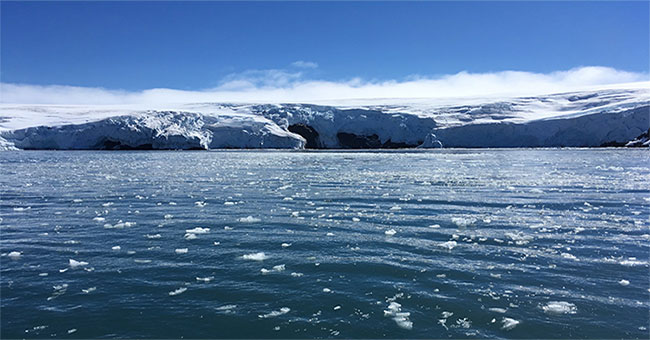
Environment
Antarctic ice is melting faster than scientific forecast
A large area of ice, about 300 km2, is cracked and threatens to separate from the base of the Pine Island in Antarctica.
Browse ScienceInfo articles and explainers related to Ice Melt.
103 published items.
A large area of ice, about 300 km2, is cracked and threatens to separate from the base of the Pine Island in Antarctica.
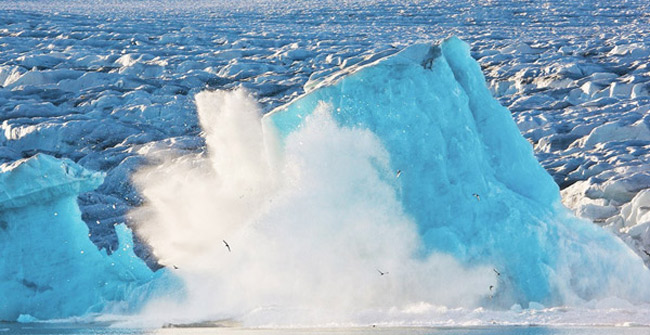
Greenland's ice shelves are constantly shattered over time, a sign that climate change is having a negative impact on the ocean, causing sea levels to rise rapidly.
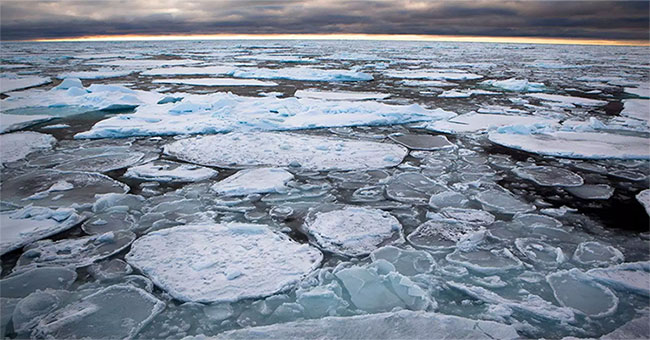
The Arctic ice sheet is not only melting because of climate change but is also affected by a giant warm water pool formed below the icy north of Canada.
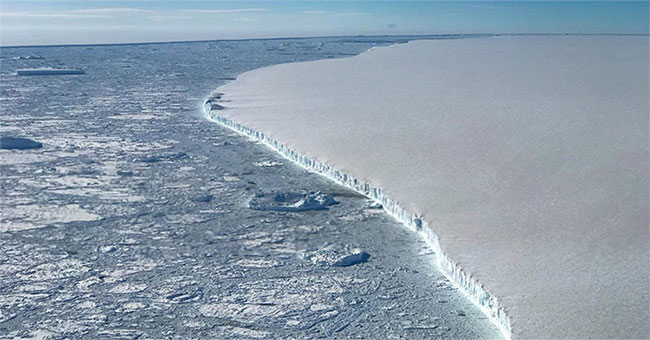
According to the study, Antarctic ice is melting at an alarming rate, with about 2,700 billion tons of ice disappearing in 25 years, from 1992 to 2017.
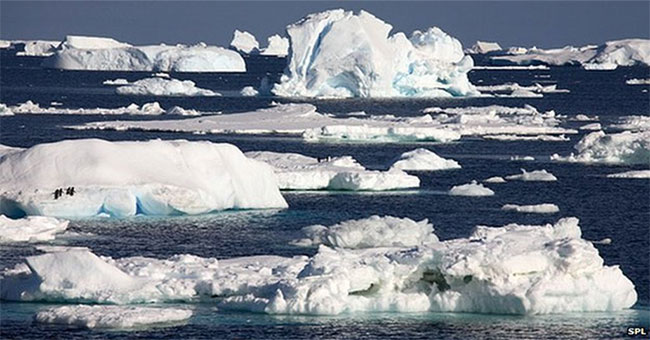
The earth warms, and as a result the ice in the poles is melting. We still know that, and are looking for ways to overcome it.
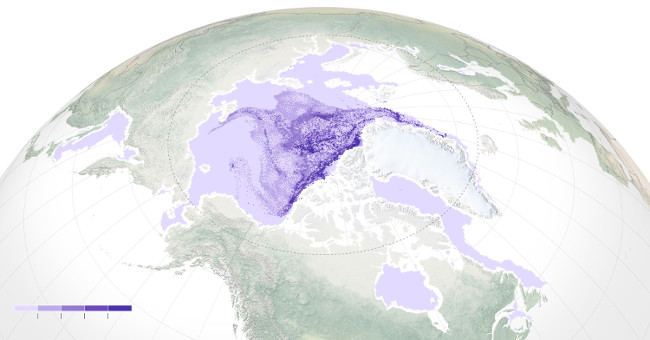
This further increases the likelihood of a prediction that by the middle of the century there will be no more ice sheets in the summer on the Arctic Sea.
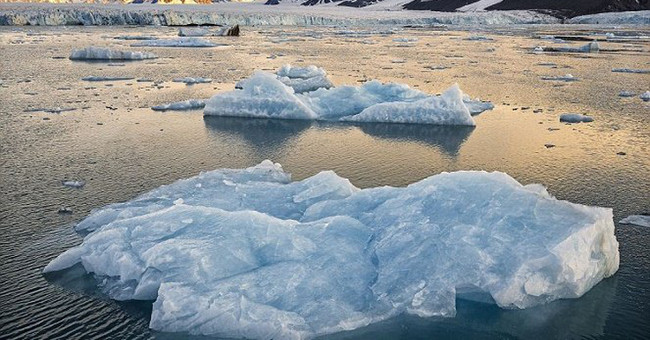
The work of Michael Wolovick - a postdoctoral graduate student of Princeton University promises to go further.
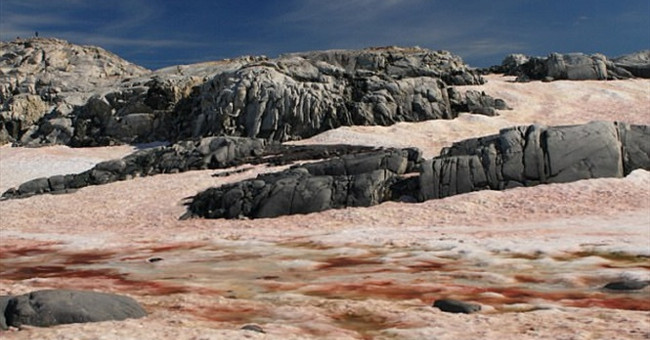
Red algae cause red tape, or red snow, they exist in Greenland and Antarctica. In Alaska alone, red snow has melted nearly a fifth of the ice here.
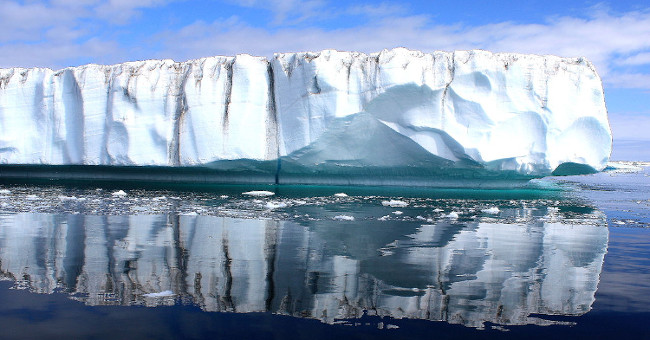
According to research published in Science Advances magazine, scientists show that ice flowing through sediments beneath the water is actually faster than rock layers on…
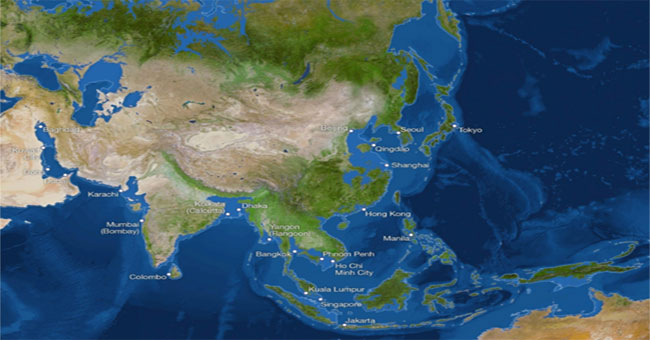
Many cities, including Ho Chi Minh City of Vietnam, may be submerged if the entire world ice melts because of climate change.
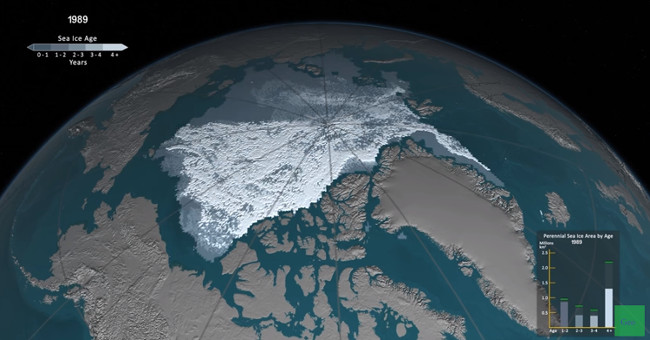
The melting sea ice will lead to weather disasters in most Northern Hemisphere countries and accelerate global warming.
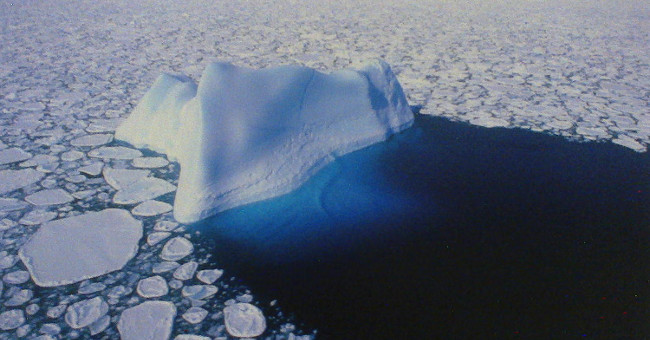
According to The Wall Street Journal, scientists have been interested in studying the changes of glaciers because their state is vital in predicting sea level rise.
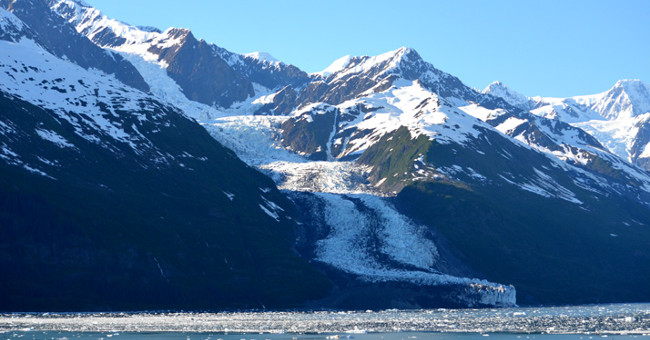
Smith Glacier - a large glacier located in the West South Pole, has been thinning 0.5 km of thickness in the past seven years, much faster than scientists have forecast.
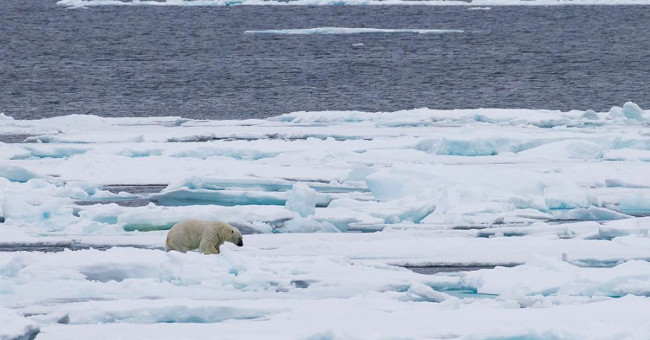
The icy seas of the Arctic are slowly turning into a normal ocean when the ice is melting.
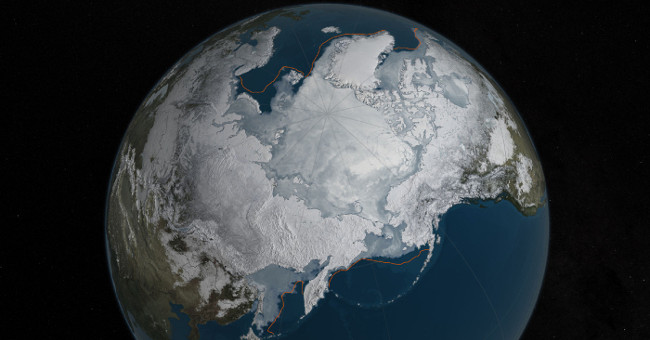
According to data recently released by scientists at the US National Snow and Ice Data Center (NSIDC) and NASA, the Arctic ice has reached a record low this winter.